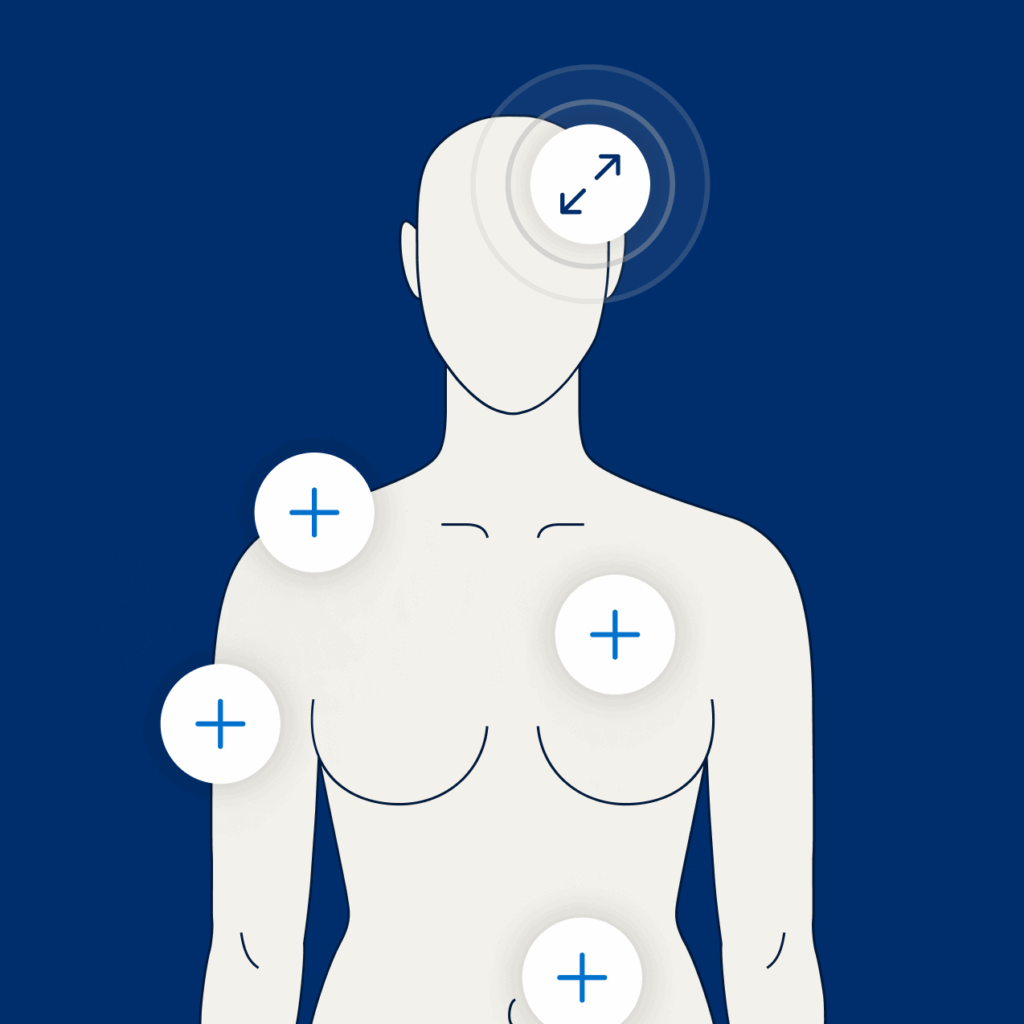
Living with rosacea can feel like navigating a cycle of flare-ups, discomfort, and uncertainty, never knowing what will help and what won’t. At the Kansas City Skin & Cancer Center, we believe that effective care starts with education, empathy, and a personalized treatment approach.
Managing rosacea can be complex, but you shouldn’t have to face it without dependable guidance. You deserve a rosacea treatment in Kansas City that goes beyond guesswork, is grounded in medical insight, and tailored to your lifestyle.
In this comprehensive blog, our team explores evidence-based strategies for rosacea care that truly work. From minimizing triggers to partnering with a board-certified dermatologist, you find practical insights designed to help you and your skin.
Table of Contents
- What Is Rosacea?
- What Are Rosacea Symptoms?
- What Are the Types of Rosacea?
- How Do Dermatologists Treat Rosacea?
- How Can I Manage My Rosacea Between Appointments?
Understanding Rosacea Before Choosing Treatment
Before exploring treatment options and daily management strategies, it’s important to understand what rosacea is and how it affects the skin. Rosacea is a long-term inflammatory skin condition that most commonly affects the face.
It may cause persistent redness, pimples, swelling, and the dilation of small, superficial blood vessels. Rosacea is often mistaken for acne, allergies, or other skin problems. While it is most common in middle-aged women, rosacea can affect anyone at any age.
Common Rosacea Symptoms
Rosacea symptoms can vary widely from person to person and may change over time. Some of the most common early signs include:
- Persistent facial flushing or redness that resembles a sunburn
- Acne-like bumps, often on the cheeks, nose, chin, or forehead
- Increased skin sensitivity with burning or stinging sensations
- Dry, rough, and scaly skin
- Skin that reacts easily to skincare products and environmental factors
When left untreated, rosacea symptoms may become more pronounced. Progressive signs can include:
- Visibly broken blood vessels under the skin (spider veins)
- Thickened skin, especially around the nose
- Enlarged nose (rhinophyma)
- Eye-related symptoms, such as dryness, irritation, and swollen eyelids
Living with rosacea affects more than just the skin. Many patients report feeling frustrated or self-conscious during flare-ups, which affects their confidence and quality of daily life.
Seeking care early allows for better, more effective symptom management and can help reduce both the physical discomfort and emotional stress the condition causes. A personalized rosacea treatment in Kansas City can provide meaningful relief and long-term support.
Types of Rosacea
Rosacea varies significantly from person to person. Dermatologists generally recognize 4 primary subtypes, though some individuals may experience features of multiple:
- Erythematotelangiectatic rosacea: Characterized by redness, flushing, and visible blood vessels.
- Papulopustular (or acne) rosacea: Includes redness, swelling, and acne-like breakouts.
- Phymatous rosacea: Involves thickened, uneven skin texture that most often affects the nose.
- Ocular rosacea: Affects the eyes, causing redness, irritation, dryness, and swollen eyelids.
Identifying the type or combination you have is essential for choosing the most effective treatment approach. A consultation with a board-certified dermatologist can help determine the best rosacea treatment in Kansas City for your specific needs.
Medical Management: How Dermatologists Treat Rosacea
While there is no cure for rosacea, dermatologists have a wide range of treatments designed to control flare-ups and improve the appearance of the skin.
Effective management begins with a thorough evaluation of your skin, medical history, and lifestyle factors. Based on this analysis, your provider may recommend a few different options for rosacea treatment.
Topical and Oral Medications
Prescription topicals are often the first line of defense for individuals with rosacea. These medications help reduce redness, calm inflammation, and control acne-like breakouts.
For more persistent cases, we may recommend oral medications, like low-dose antibiotics or other anti-inflammatory options, to bring flare-ups under control.
Light and Laser Therapies
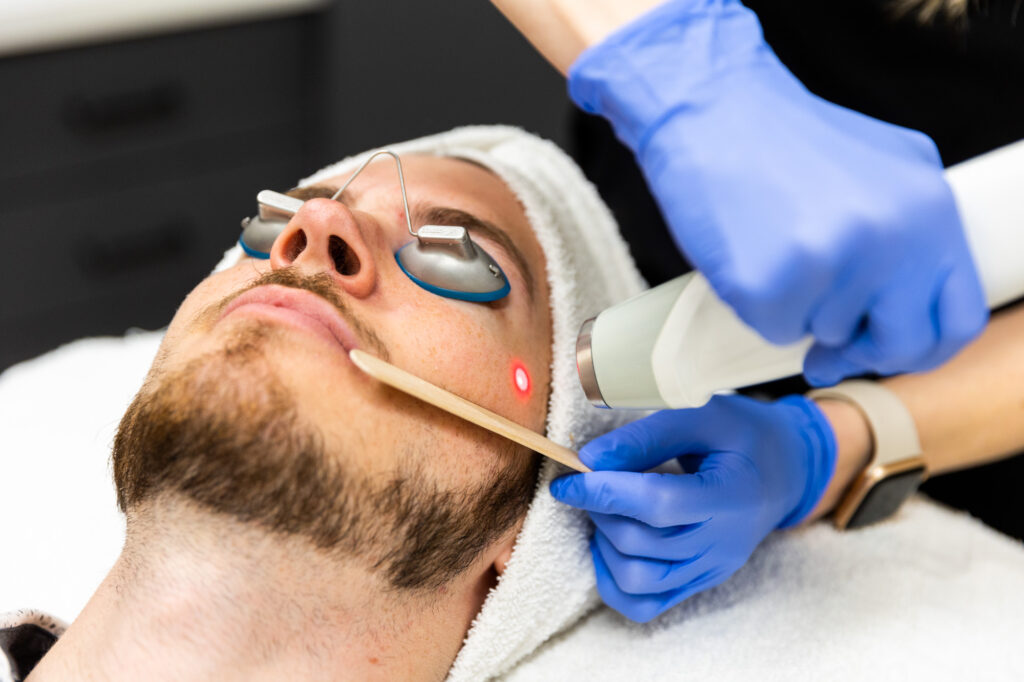
For patients with chronic redness or visible blood vessels, light-based treatments and laser therapies can make a significant difference. Intense pulsed light and laser therapies, like Laser Genesis, dilate blood vessels beneath the skin, helping to reduce redness and improve overall tone.
These rosacea treatments in Kansas City are noninvasive, customized to your skin’s needs, and performed in a clinical setting. Many patients notice clearer, more even-toned skin with a series of treatments.
Skincare That Supports Healing
Daily skincare plays an important role in rosacea management. Using gentle, dermatologist-recommended cleansers and moisturizers helps protect the skin barrier and reduces sensitivity.
Your provider can recommend a tailored list of medical-grade skincare products designed to soothe inflammation and support long-term skin health.
Supporting Your Skin Between Appointments
In addition to in-office care, daily habits can affect how often rosacea flares and the severity of symptoms. Managing triggers and maintaining consistent routines between rosacea treatments in Kansas City can help keep uncomfortable rosacea symptoms under control.
1. Nutrition and Rosacea
Diet can affect inflammation throughout the body, including the skin. While triggers vary, some general guidelines may help support rosacea management:
- Anti-inflammatory foods: Include dark leafy greens, fruits, fatty fish, nuts, seeds, and healthy oils in your diet to reduce chronic inflammation.
- Omega-3 fatty acids: Foods rich in omega-3 fatty acids can reduce inflammation and rosacea symptoms. Try to eat more fish (like trout, salmon, sardines, and mackerel), flaxseeds, chia seeds, and walnuts.
- Prebiotic and probiotic foods: Foods with prebiotics and probiotics support gut functions, which can soothe inflammation. Incorporate foods like pistachios, green peas, asparagus, kimchi, kefir, and sauerkraut into your diet.
- Avoid certain foods: Steer clear of or limit your intake of foods high in histamine, like processed meats and dairy products.
2. Protecting Your Skin From the Sun
Sun exposure is one of the most significant triggers for rosacea. Ultraviolet rays can increase redness and make blood vessels more visible. One of the best ways to limit flare-ups is to wear SPF 30+ every day, no matter if it’s sunny or overcast.
Choosing the Right Sunscreen
Not all sunscreens are the same. Mineral-based sunscreens containing zinc oxide or titanium dioxide are generally tolerated best by rosacea-prone skin.
These ingredients sit on the surface of the skin and reflect UV rays, reducing the risk of irritation associated with chemical sunscreens.
Additional Sun Protection
Even when using sunscreen, it’s a good idea to also wear high-quality sunglasses and sun-protective clothing. Make sure that any sun protection you wear offers both UVA and UVB protection, which should be listed on the product’s label.
Use Rosacea-Friendly Skincare Products
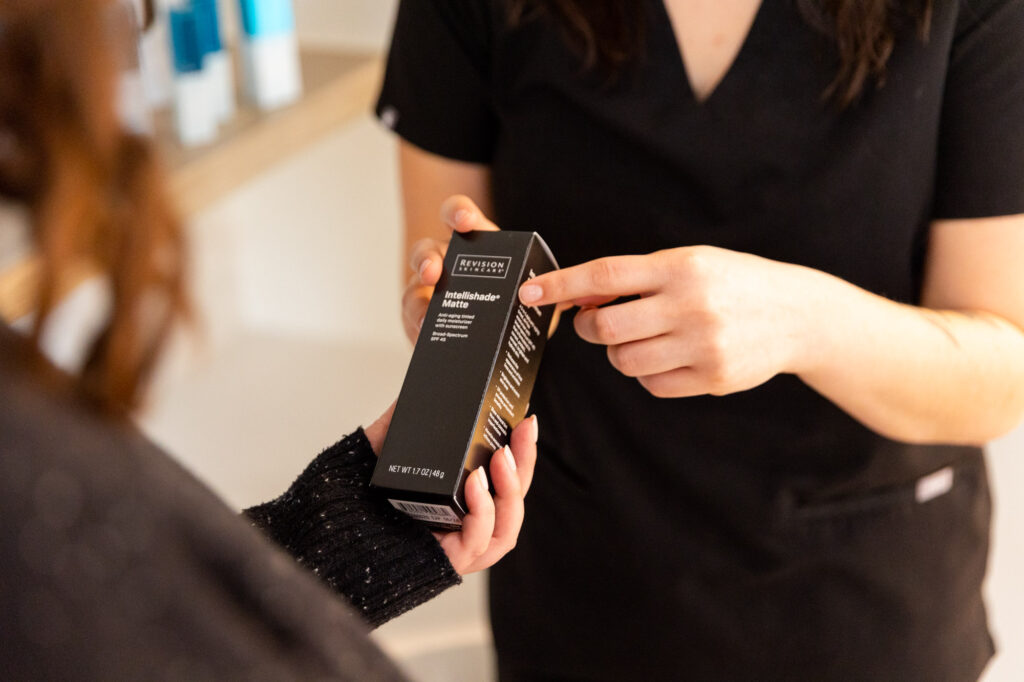
Selecting appropriate skincare products to use between rosacea treatments in Kansas City minimizes irritation and redness. It also reduces flare-ups and promotes healthier, more radiant skin. It’s important to be careful when choosing products, as the market is saturated with products that only claim to provide relief.
If you have rosacea, avoid products containing:
- Fragenaces
- Lactic acid
- Alcohol
- Glycolic acid
These ingredients can be extremely irritating and drying, which worsens rosacea symptoms. Instead, invest in rosacea-friendly skincare products, like:
- Gentle, fragrance-free cleansers with soothing ingredients
- Hypoallergenic, non-comedogenic moisturizers
- Prescription topical creams, such as azelaic acid or metronidazole, as recommended by your dermatologist
4. Committing to a Consistent Skincare Routine
Committing to a good skincare routine can ease rosacea symptoms and lessen flare-ups between rosacea treatments. An example of a good skincare routine for rosacea-prone skin can look like:
- Cleanse your face twice daily, once in the morning and once before bed.
- Gently apply the cleanser with your fingertips in gentle, circular motions.
- Wash your face with lukewarm water and gently pat dry with a cotton towel.
- Before using any new skincare products, perform a patch test to ensure they won’t worsen symptoms.
-
- Dab a small amount of the product close to where you have flare-ups and check for signs of irritation within 72 hours.
- Moisturize consistently. Moisturizing locks in hydration and strengthens the skin barriers, keeping your skin more comfortable.
- Use moisturizers with ingredients like hyaluronic acid, ceramides, and glycerin.
-
Consistency is key for managing rosacea symptoms at home. Stick to your routine for at least 6 to 8 weeks, as that’s how long it takes to see significant improvements.
Only introduce new products one at a time, allowing your skin to fully adjust while ensuring it does not worsen your rosacea symptoms.
Where Daily Habits and Medical Care Work Together
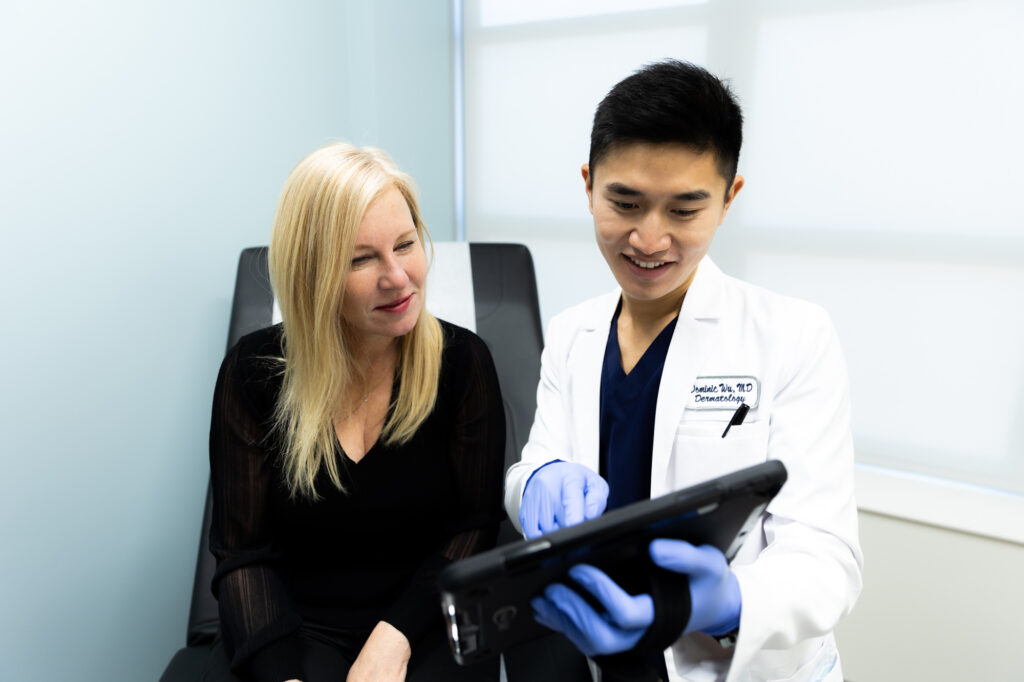
Rosacea can be unpredictable, but your care doesn’t have to be. With accurate diagnosis, evidence-based treatments, and mindful daily routines, many patients find relief and better control of their symptoms.
Understanding your triggers, choosing appropriate skincare, and partnering with a dermatologist can make a meaningful difference in long-term outcomes. If redness, irritation, or flare-ups affect your comfort or confidence, a board-certified dermatologist can help you explore options designed specifically for your skin.
Our team at Kansas City Skin & Cancer Center is committed to delivering patient-centered care that combines medical insight with practical guidance. For a personalized rosacea treatment in Kansas City, schedule a consultation and take the next step toward achieving calmer, healthier skin.