When many people think about skin cancer, they picture a dark mole that rapidly changes shape, size, or color. While you should certainly evaluate warning signs like changing moles, they aren’t the only symptom of skin cancer.
In fact, some of the most common skin cancer symptoms can look surprisingly harmless. Skin cancer is highly treatable when detected early, and recognizing these less obvious warning signs can make a significant difference in the effectiveness of care.
Here are some of the less obvious signs that you may want to schedule an appointment with one of our dermatologists at Kansas City Skin & Cancer Center in Johnson County, KS.
A Sore That Doesn’t Heal
One of the most common warning signs of basal cell carcinoma (BCC) and squamous cell carcinoma (SCC) is a sore that persists for several weeks, or a lesion that repeatedly returns after appearing to heal.
Examples of these areas include:
- A small cut or scrape that never fully heals
- A spot that bleeds easily
- A scab that forms, disappears, and then returns
- A persistent area of irritation or tenderness
If a sore hasn’t healed after a few weeks, a cosmetic dermatologist should evaluate it.
A Bump That Looks Like a Pimple (But Doesn’t Go Away)
Not every bump is acne.
Multiple types of carcinoma can appear as small bumps that resemble blemishes, particularly on sun-exposed areas of the face, ears, scalp, neck, or chest.
These growths may appear as:
- Firm flesh-colored bumps
- Pink or red raised spots
- Areas that crust repeatedly
- Bumps that bleed during shaving or cleansing
A Shiny or Pearly-Looking Spot
Basal cell carcinoma often develops a distinctive appearance that patients frequently mistake for a scar, an irritated patch of skin, or a normal sign of aging.
These lesions may appear as:
- Smooth, shiny bumps
- Pearly or translucent growths
- Waxy-looking patches
Because these spots usually grow slowly and cause little discomfort, many people overlook them in their early stages when they’re most treatable.
Frequently Asked Questions About Skin Cancer
Understanding skin cancer is one of the best ways to catch it early. Here are some of the most commonly asked questions our team hears about this condition.
What is skin cancer?
Skin cancer develops when abnormal skin cells begin growing uncontrollably. This typically occurs after damage to the DNA within skin cells, often as a result of ultraviolet (UV) exposure from the sun or tanning beds.
How is skin cancer diagnosed?
A dermatologist can often identify suspicious lesions and skin cancer symptoms during a comprehensive skin examination.
If an area requires further evaluation, your provider may recommend a biopsy. During this procedure, they remove a small sample of tissue and examine it under a microscope to determine whether the area contains cancer cells.
How often should I check my skin for signs of skin cancer?
Regular self-examinations can help you identify changes in your skin before they become more serious. Many dermatologists recommend performing a monthly skin check and paying attention to new growths, changing spots, or lesions that do not heal.
Patients also benefit from annual professional skin exams, especially for individuals who have significant sun exposure, a personal history of skin cancer, or a family history of the disease.
Professionals can identify suspicious areas more effectively, and they can look closely at hard-to-reach spots you might struggle to see on your own.
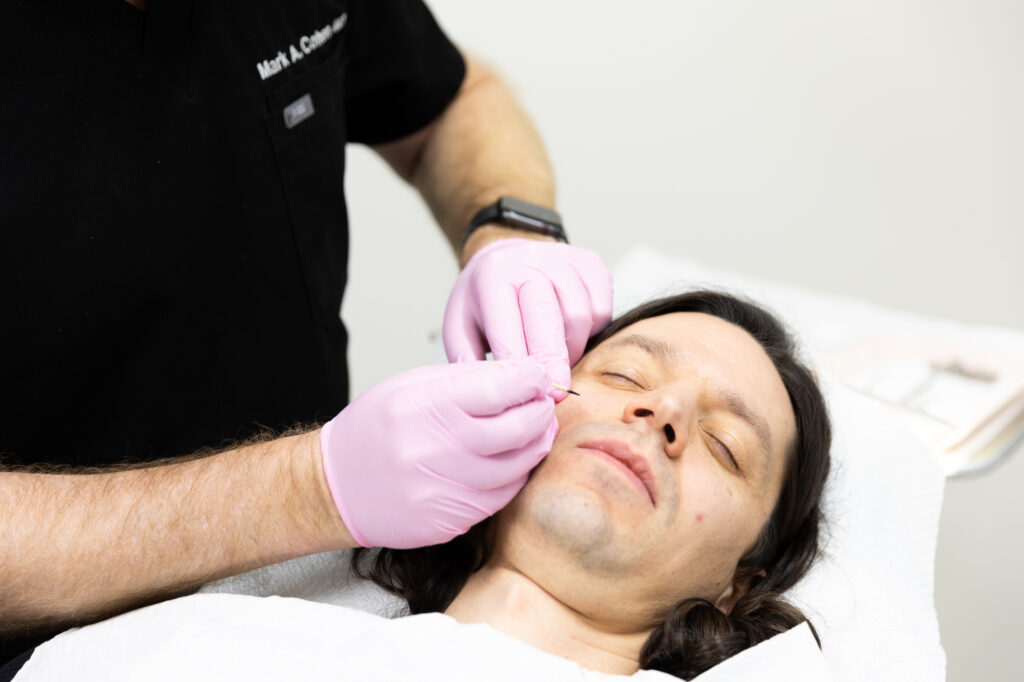
Schedule Your Skin Cancer Screening
The earlier skin cancer is detected, the more treatment options are typically available. If you notice a new growth, a changing lesion, or any unusual skin cancer symptoms, don’t wait to have your skin evaluated.
In Johnson County at Kansas City Skin & Cancer Center, our experienced dermatology team provides comprehensive skin cancer screenings and personalized treatment recommendations. Schedule an appointment to take a proactive step toward protecting your skin health.