Hearing the words “you need a skin cancer evaluation” can bring a wave of emotions: worry, uncertainty, and a deep desire to understand what comes next for you. It’s important to know that you’re not alone in feeling this way.
Many patients who come to us at Kansas City Skin & Cancer Center share similar worries when they reach out to our team for guidance and reassurance.
The good news is that modern dermatology offers highly effective, well-researched treatment options for skin cancer removal that also preserve your comfort, confidence, and quality of life along the way.
This blog is here to help you take that first step towards care with complete clarity. We’re breaking down the most trusted types of skin cancer removal procedure in Kansas City. This includes explaining why your dermatologist may recommend one approach over another, and helping you understand what to expect from diagnosis through recovery.
What Is Skin Cancer?
Skin cancer is one of the most common types of cancer, with 1 in 5 Americans developing skin cancer by the age of 70. An abnormal and continuous growth of skin cells characterizes this condition, most often appearing on skin that has been exposed to ultraviolet (UV) radiation.
Skin cancer has multiple common forms, each with its own unique traits, risk factors, and potential outcomes.
Main Types of Skin Cancer
Skin cancers are typically divided into 2 categories: melanoma-based cancers and non-melanoma skin malignancies. While melanoma is rare, accounting for only about 1% of all skin cancers, it is the most deadly.
On the other hand, nonmelanoma skin cancers—like basal cell carcinoma and squamous cell carcinoma—are more common and more easily treatable.
Melanoma
The uncontrolled growth of melanocytes, the cells that produce melanin (pigment in the skin), characterizes this form of skin cancer.
While melanoma can occur on any part of the body, it most often affects men’s chests and backs in the early stages. Women most often develop early-stage melanoma on their legs.
If caught early, melanoma may only require a skin cancer removal procedure in Kansas City as treatment.
Non-Melanoma Skin Cancer
Non-melanoma skin cancers are cancers that stem from keratinocytes, the main cell type found in the outermost layer of the skin—the epidermis.
- Basal Cell Carcinoma (BCC): The most common type of skin cancer, which is often identified by the uncontrolled growth of cells in the basal layer of the epidermis.
- Squamous Cell Carcinoma (SCC): The second most common type of skin cancer, it appears as a red, firm bump, or scaly patch that heals and then reopens.
- Merkel Cell Carcinoma (MCC): This rare but aggressive type of skin cancer has become more common in recent years. It usually appears on the head or neck of older individuals.
- Actinic Keratosis: This form of skin cancer is a precancerous lesion that may progress to SCC, often associated with chronic sun exposure.
The Importance of Routine Skin Checks
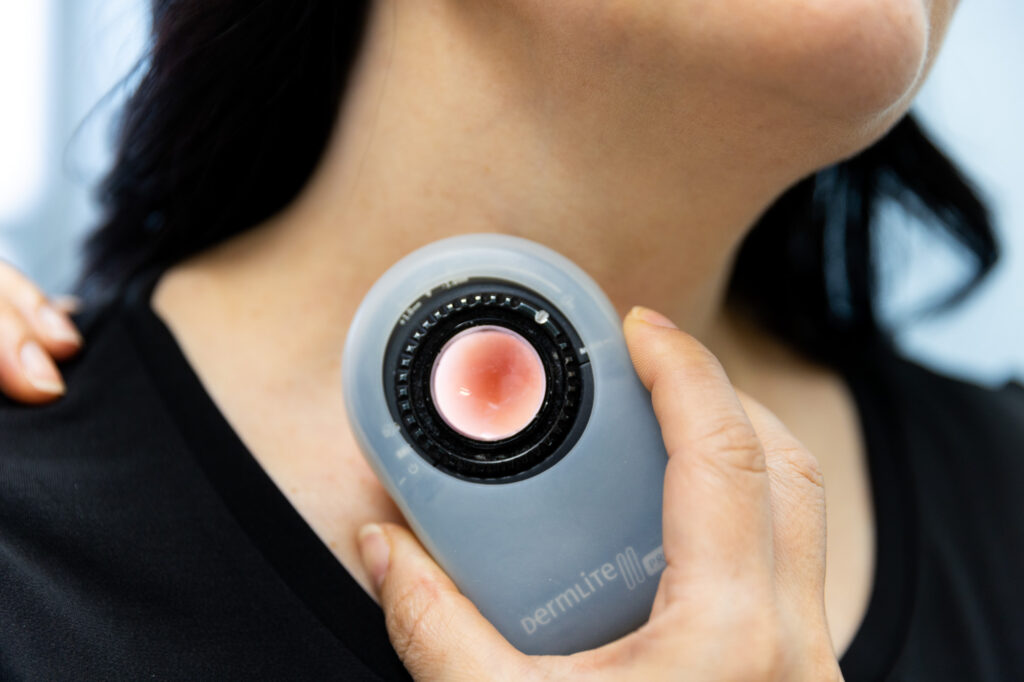
While many of us prioritize fitness and nutrition for our health, it’s just as important to pay attention to our skin! Routine skin checks with an experienced dermatologist at Kansas City Skin & Cancer Center, is a proactive step to promote skin health for years to come.
Skin cancer, though common, is highly treatable when caught early. During a skin check, your dermatologist can identify suspicious moles or lesions, detect the early signs of melanoma, BCC, or SCC, and perform a recommended skin cancer removal procedure in Kansas City.
Understanding the Basics of Skin Cancer Removal
Skin cancer removal procedures are often the first line of defence against skin cancer, particularly BCC and SCC. No matter what the type, skin cancer will continue to grow or spread if not properly removed.
Dermatologists recommend a skin cancer removal procedure when:
- A biopsy confirms BSS, SCC, or early melanoma.
- A mole or spot has changed in size, shape, or color recently.
- A growth has become painful, itchy, or has begun bleeding.
- A precancerous lesion shows signs of progression.
- The location or size of a growth poses a high risk of spreading.
Experts offer a variety of removal procedures, and the one they recommend depends on the type, size, and location of the cancer, as well as the patient’s overall health.
1. Excisional Surgery
Excisional surgery is a skin cancer treatment that removes malignant moles, lesions, and tumors from the skin. along with a small, healthy margin of surrounding skin. This type of cancer removal can treat BCC, SCC, and certain types of melanomas.
The goal is to remove skin cancer and the lesion or growth entirely to ensure that no cancer cells remain left behind to continue to develop. This procedure typically uses local anesthesia. This means you will stay awake, but the area around the lesion will be completely numb.
Why It’s Effective
This skin cancer removal procedure in Kansas City remains one of the most reliable treatments for skin cancer. Removing both the lesion and a margin of the surrounding tissue increases the likelihood of complete cancer removal in a single procedure.
It remains a trusted approach to treating skin cancer that combines precision with peace of mind.
2. Mohs Surgery
Mohs surgery is another precise and highly effective skin removal procedure, often considered the “gold standard” for treating many types of BCCs and SCCs.
It can even treat more cosmetically and functionally important areas, like the skin around the eyes, nose, lips, ears, fingers, and toes.
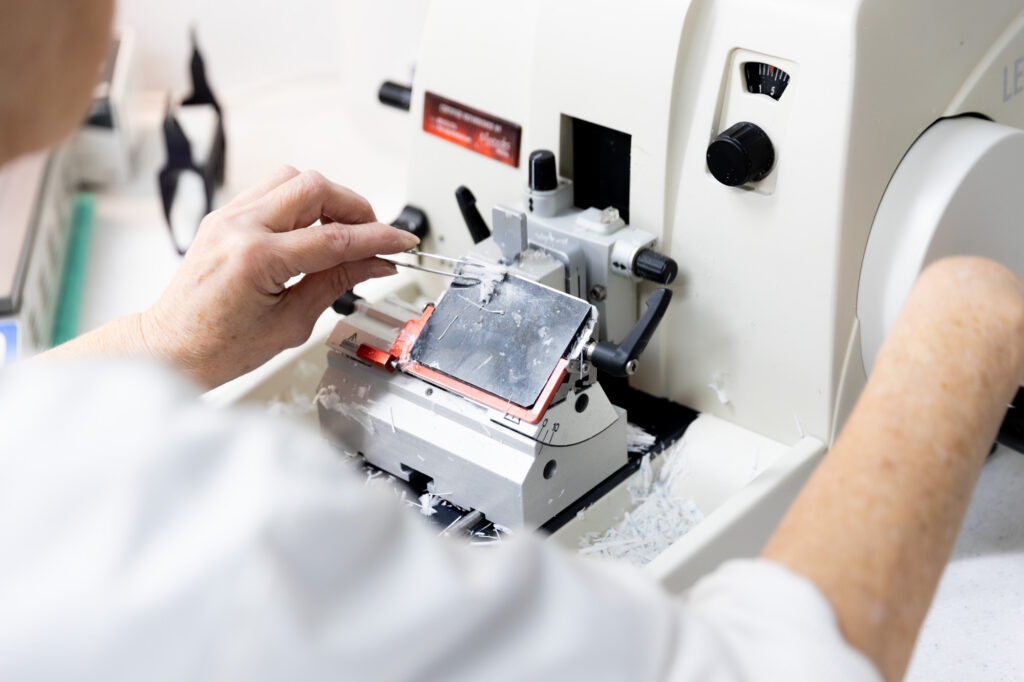
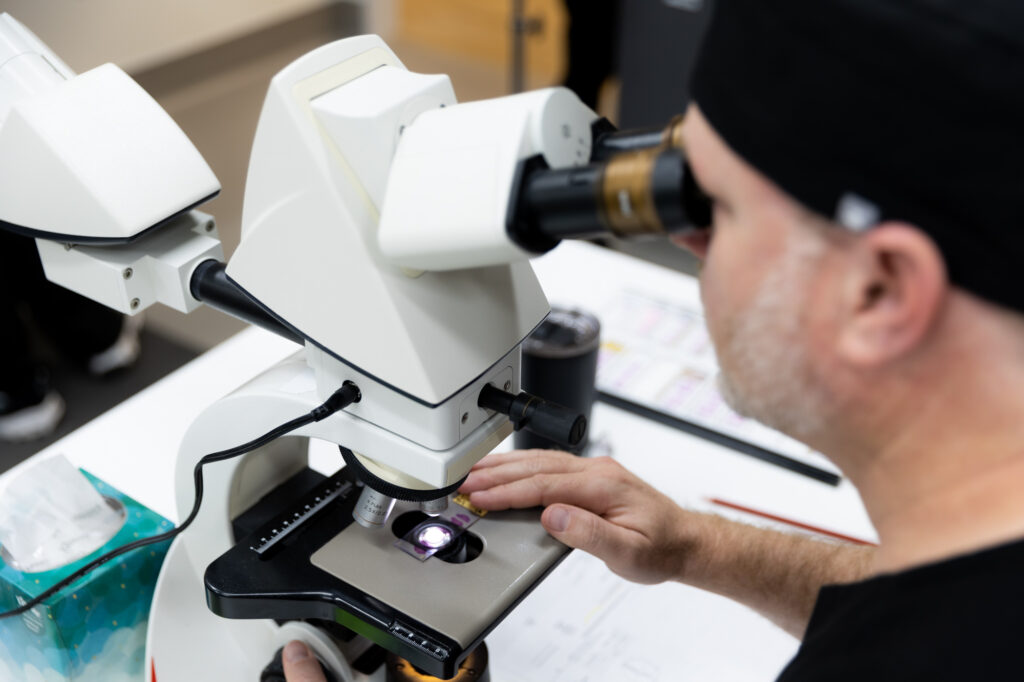
Typically, surgeons do this surgery in a few stages, all in one visit, while the patient waits between each stage. After removing a layer of visible cancerous tissue, the surgeon examines it under a microscope in an on-site lab.
If any cancer cells remain, the surgeon can identify their exact placement and then precisely remove another layer of tissue, while leaving as much of the healthy tissue untouched as possible.
The surgeon repeats this process until no cancer cells remain.
Why It’s Effective
Mohs surgery remains one of the most efficient and cost-effective treatments available, done on an outpatient basis that usually only requires a single visit. The surgery itself offers incredibly precise results, as the surgeon examines each layer of tumor after removal, while sparing healthy tissue and leaving the smallest scar possible.
This skin growth removal surgery also boasts an exceptionally high skin cancer cure rate, with up to 99% for a skin cancer that has not been treated before, and up to 94% for skin cancer that has recurred after a previous treatment.
2. Intralesional Chemotherapy
Intralesional chemotherapy—also known as localized chemotherapy—involves injecting a low-dose chemotherapy medication directly into localized skin growths or cancerous formations in or on the skin.
Experts primarily use this process to treat precancerous conditions and early-stage superficial skin cancers. It is described as a “local” treatment because it targets only the tumor cells confined within the epidermis.
Why It’s Effective
The chemotherapy medication contains chemicals that fight cancer cells through a variety of mechanisms. Some work to stimulate an immune response to combat the tumor cells, while others inhibit their growth and induce cell death.
Intralesional chemotherapy is a popular skin cancer removal procedure in Kansas City for those needing a non-invasive treatment option that requires minimal downtime, and for those who have skin cancer that develops in highly visible areas.
3. Cryotherapy
Cryotherapy destroys abnormal skin cells while helping prevent cancerous cells from spreading. It uses a highly targeted application of liquid nitrogen to kill cancerous and precancerous tissues.
This treatment is especially effective for the earliest stages of skin cancer and benign growths. Because it’s minimally invasive and performed in-office, patients can benefit from both the convenience and effectiveness of cryotherapy.
Why It’s Effective
Cryotherapy offers an effective procedure for quickly targeting and destroying abnormal skin tissue while preserving healthy skin with minimal disruption. It requires no incisions and no stitches, which helps to minimize the risk of scarring.
This is a versatile procedure for treating serious conditions like precancerous spots and cosmetic skin growths. It is an outpatient procedure, offering patients quick, effective treatment with no need for a lengthy hospital stay.
Protect Your Skin and Partner With Trusted Specialists
Choosing the right approach to treating skin cancer is more than a medical decision—it’s a personal one. Understanding your options, knowing what to expect, and feeling supported every step of the way can make an overwhelming experience far more manageable.
No matter where you are on your journey, the team at Kansas City Skin & Cancer Center guides you with care, precision, and with an advanced skin cancer removal procedure in Kansas City.
If you’re ready to gain clarity about your diagnosis or explore the treatment options that best support your long-term health, contact our team to schedule a consultation.
Your skin deserves expert care, and you deserve a partner you can trust.
Contact Us Virtual Consultation