For many, a change in seasons means swapping sundresses for sweaters or trading their favorite iced coffee for something a little warmer. But if you live with eczema, the transition between seasons can feel less like a fresh start and more like a new challenge for your skin.
Eczema isn’t just a seasonal inconvenience; it’s a condition that responds to the world around you. That means weather changes are another trigger you have to anticipate. At Kansas City Skin & Cancer Center, we often hear from patients who are frustrated by this cycle, not just because of the physical discomfort, but because skin flare-ups can affect confidence and quality of life.
The good news? With the right knowledge and support, you don’t have to spend every season bracing for the worst. Understanding how the weather impacts your skin and when to seek an eczema treatment in Johnson County, KS, helps you take back control.
In this guide, we walk through how seasonal changes affect eczema, why flare-ups happen when the weather shifts, and what you can do to keep your skin healthier and more comfortable year-round.
Eczema 101: What is Eczema & Why Weather Matters
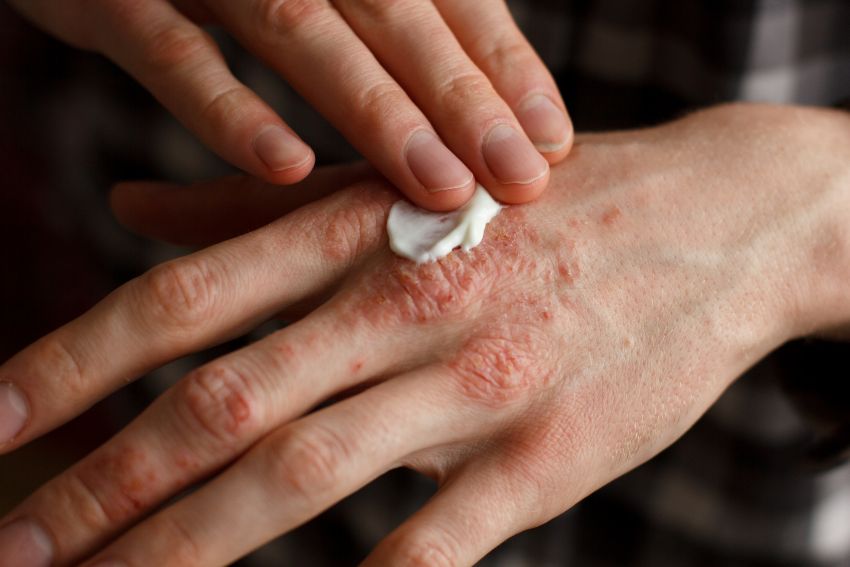
Eczema is a skin condition that affects nearly 31.6 million people in the United States. It can present differently from person to person, but it often involves symptoms such as itching, rashes, and dry, scaly skin.
Though an exact cause is unknown, it is believed that eczema can have a few different causes:
- Defect in the skin barrier: A weakened barrier that allows moisture to escape and allergens and bacteria in.
- Genetics: Many people with eczema report a family history of the condition.
- Immune system sensitivity: An overactive immune response to allergens and irritants on the skin.
For some individuals, flare-ups are limited to specific areas, while for others, they may cover larger portions of the body. Whether localized or widespread, eczema can significantly affect daily comfort and self-confidence.
Flare-ups are often tied to specific triggers, and while these can vary, seasonal weather changes are a particularly common cause for those with eczema.
Seasonal Triggers
Healthy skin serves as a natural barrier, locking in moisture and protecting you from external irritants. With eczema, that barrier doesn’t function as effectively. Moisture escapes more easily, leaving skin dry and more sensitive to environmental factors like heat, cold, humidity, and wind.
These are seasonal triggers, which you should be aware of before seeking an eczema treatment in Johnson County, KS. For example, a warm, windy day can carry pollen through the air, landing on the skin and sparking a flare-up. This often leads to itching, redness, and overall discomfort.
Shifts in weather also change our daily habits, which affect our skin. Whether you’re spending more time outdoors in the summer or cozying up under heavy blankets in the winter, different seasons bring different triggers for sensitive skin.
Pay attention to the types of weather and environmental conditions that tend to set off your eczema and cause you to start scratching, so you can alleviate the discomfort when possible.
Winter & Fall: Handling Eczema in Cold, Dry Weather
Winter and fall skincare can be challenging for anyone, but it can feel especially brutal for those who have eczema. The cold, dry air saps away moisture from the skin, causing uncomfortable flare-ups that are frustrating and itchy.
But don’t let the cold-weather blues get the best of you. Here are some of our team’s top ways to manage eczema during the colder months, so you can enjoy the winter comfortably.
Why Does Eczema Flare Up in the Cooler Months?
The prime culprit for eczema flare-ups during the cold seasons is the dry air. When the temperature drops, the humidity levels plummet. This lack of moisture weakens the skin’s natural barrier further, making it more susceptible to irritants.
Along with the dry air outside, our centrally heated air that keeps us warm and cozy indoors further dries out the skin. The combination of frigid cold outside and warm, dry air inside can leave your skin parched and irritated.
Tips for Calming Eczema in the Winter & Fall
Before scheduling an eczema treatment in Johnson County, KS, there are a few steps you can take to better manage your eczema in the winter and fall.
1. Moisturize, Moisturize, Moisturize
When it comes to managing eczema in the cooler seasons, keeping your skin properly hydrated and moisturized is key. Find a moisturizer with a higher oil content, like Zerafite’s Barrier Repair Moisturizer. Oil-based moisturizers help protect against moisture loss through the skin barrier and lock in that moisture when the humidity dips.
2. Amp Up the Humidity In Your Home
Humidifying your home adds moisture to the air, creating a more comfortable environment that helps soothe eczema-prone skin. For the best results, be strategic about where you place your humidifiers.
Prioritize areas that you frequently use, like the living room and bedroom, so you are humidifying the air where you spend the most time. By properly controlling the overall moisture content in the room, you can ease dryness and help keep your eczema symptoms under control.
Summer & Spring: Handling Eczema in the Heat and Humidity
The rising temperatures in the spring and summer, coupled with warm-weather activities like swimming and sunbathing, require new habits and adjustments for managing eczema flare-ups. While some people have fewer flare-ups in the warmer months, others notice their eczema worsen.
The good news is that by taking a proactive approach, you can manage your eczema and enjoy all the fun that the warmer months offer.
Why Does Eczema Flare Up In the Warmer Months?
One reason eczema flares in the warmer months is due to an increase in sweating. Sweat is a common trigger for eczema, as it contains chemicals like sodium and magnesium that irritate sensitive skin.
Additionally, the spring and summer bring with them seasonal allergens, like pollen from trees and plants. Exposure to these allergens can cause the skin to become irritated and itchy.
Tips for Calming Eczema in the Spring & Summer
Alongside an eczema treatment in Johnson County, KS, there are ways you can keep your skin healthy during the warmer months.
Here are our top tips for managing eczema in the spring and summer.
1. Use an Eczema-Friendly Sunscreen
Protecting the skin from harmful UV rays during the warmer months keeps your skin healthy and prevents further complications (like skin cancer) down the road. However, sunscreens that aren’t eczema-friendly can actually irritate the skin more.
Look for mineral sunscreens instead of chemical sunscreens and check the bottle for ingredients like zinc oxide or titanium dioxide. These protect and moisturize the skin.
2. Stay Cool & Minimize Perspiration
Sweat can be especially irritating for eczema-prone skin, so taking steps to reduce sweating can help you manage flare-ups more effectively. When outdoors, stick to shaded areas, and during extra hot days, try to stay indoors with air conditioning.
If you do need to be outside, choose clothing that keeps you cool and comfortable. Loose-fitting clothes made of 100% cotton or other natural fabrics, such as linen, allow air to circulate around the body. This not only helps regulate body temperature and minimize sweating but also reduces skin irritation.
When to Seek Out Professional Care
Whether you’re managing eczema flare-ups in the cooler months or fighting it in the heat, it’s important to know when to turn to eczema treatment in Johnson County for relief. If you notice that your skin is cracking or bleeding, your skin may need some extra care.
At Kansas City Skin & Cancer Center, our dermatologists can recommend specific products and therapies based on the condition of your eczema and tailor them to your skin’s needs. Depending on the severity of your eczema, our team may recommend:
- Medical-grade facials: These facials are customizable and can include deep moisturization and cleansing, which help manage flare-ups.
- Hydrafacial: A medical-grade facial that focuses on rehydration and facial rejuvenation. This facial uses anti-aging serums that are enriched with antioxidants, customized to your skin’s specific needs.
- Medical-grade skincare: Over-the-counter products don’t always make the cut. A provider can recommend specific medical-grade skincare products that will help soothe, protect, and hydrate your skin in the colder months.
- Topical therapies: Our board-certified dermatologists can assess the severity of your eczema, and potentially prescribe topical therapies and medications to help you manage flare-ups when other methods haven’t worked.
Managing eczema can be challenging, no matter the season or the weather. If it’s affecting your comfort or confidence, remember that you don’t have to handle it alone. You deserve to feel at ease in your own skin, and our team is here to support you with a tailored eczema treatment in Johnson County, KS.
Take Control of Your Skin, No Matter the Season
Living with eczema can feel like riding the waves of every season: You never quite know when the next flare will hit. But with the right care and strategies, you don’t have to let the weather dictate your comfort or confidence.
At Kansas City Skin & Cancer Center, we understand that eczema is more than just a skin condition because it affects your daily life and your overall well-being. That’s why our skin specialist provides individualized care and an advanced eczema treatment in Johnson County, KS, designed to meet your needs in every season.
If you’re ready to take control of your eczema and stop letting the seasons control you, reach out to us to schedule your consultation. Together, we can build a treatment plan that keeps your skin healthier, calmer, and more resilient all year long.